

Many clients have Extended Health Benefits, but some members may not be familiar with how to properly prepare insurance reimbursement documents for clients. This guide briefly explains the basic process for osteopathic practitioners when assisting clients with insurance reimbursement.
Step 1: Understand the Client’s Insurance Categories
In general, insurance benefits related to osteopathic care usually fall into two main categories:
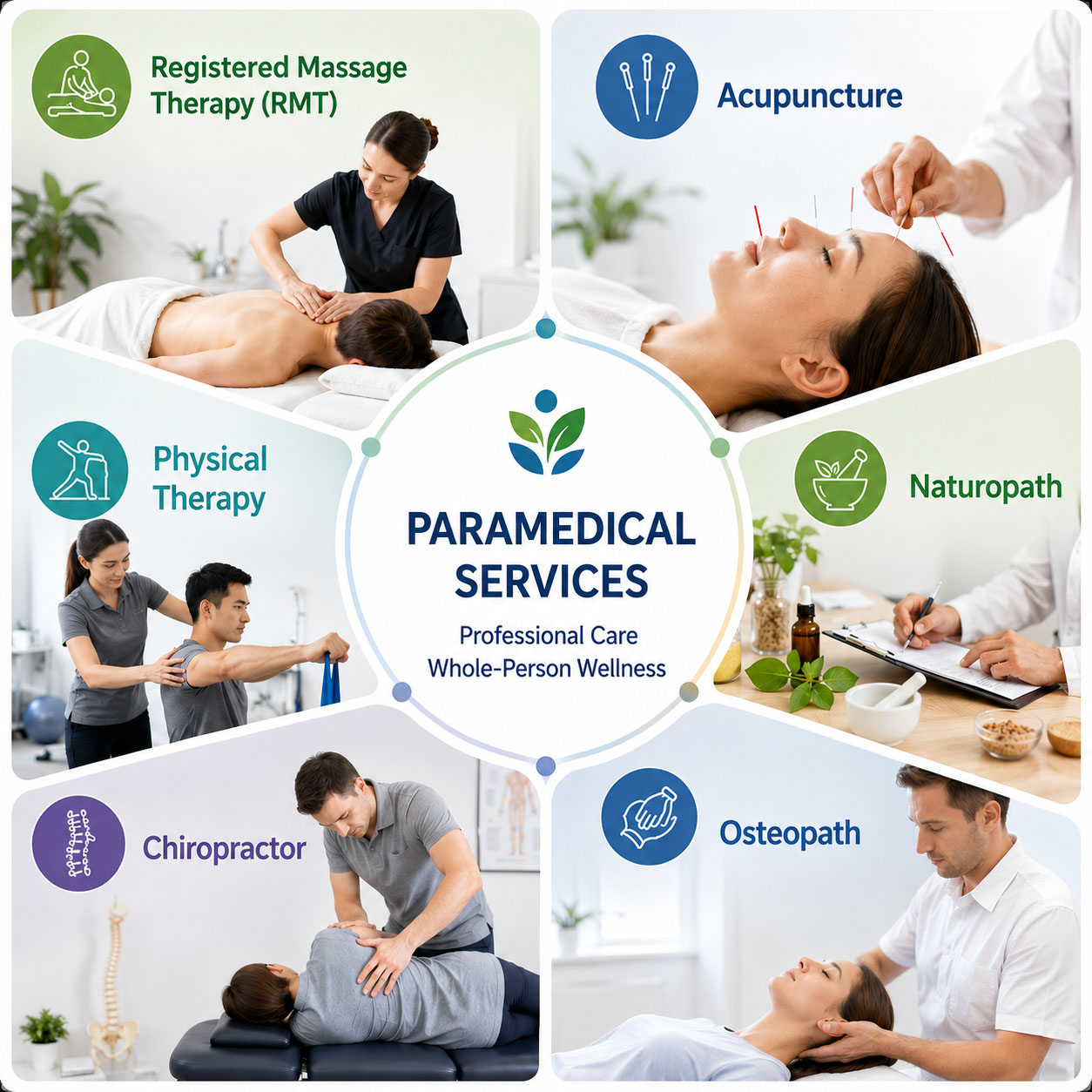
PARAMEDICAL SERVICES
This may include osteopathic treatment, similar to RMT or acupuncture. The annual reimbursement amount is often limited, commonly a few hundred dollars per person per year, and some insurance companies may not recognize osteopathic treatment.
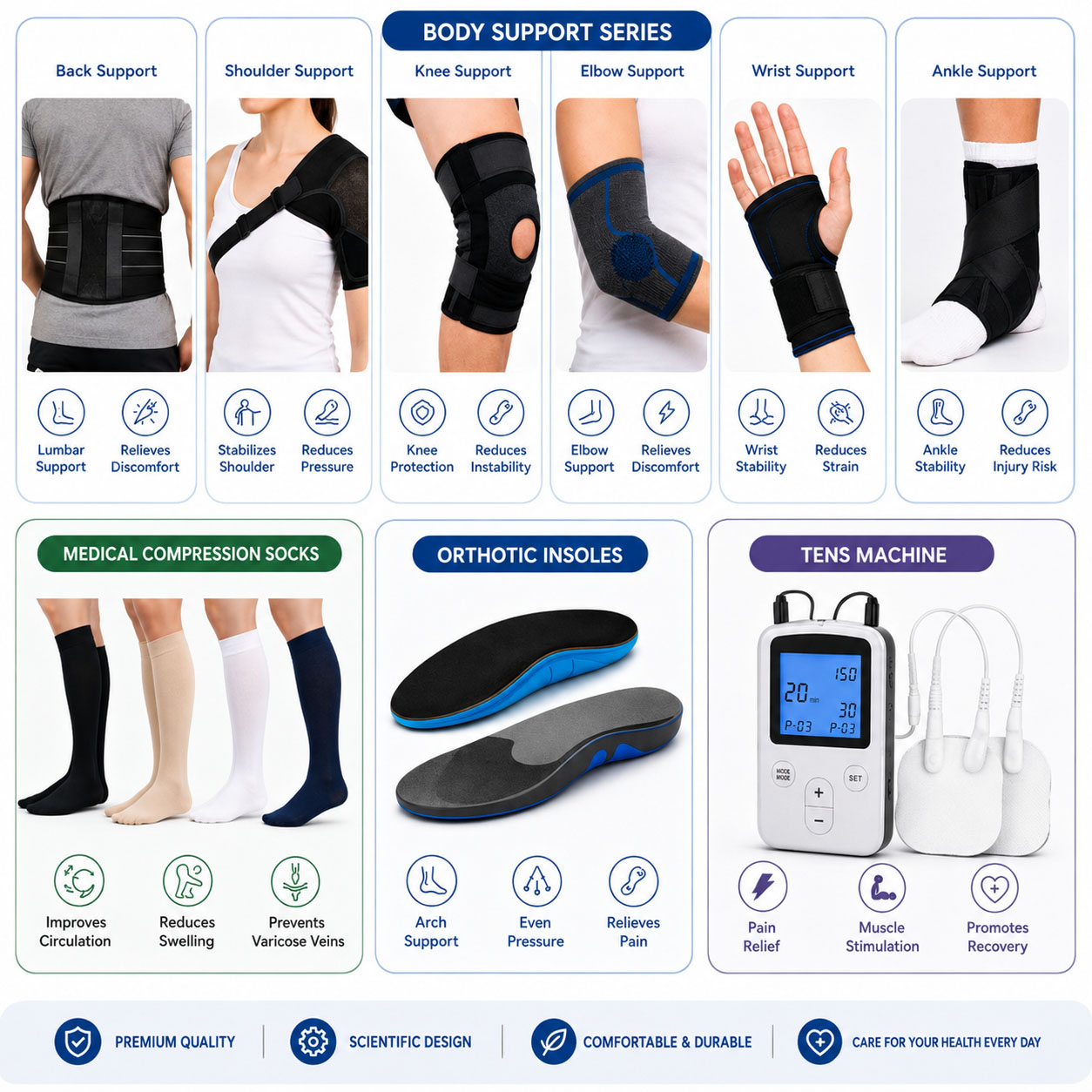
MEDICAL DEVICES
This category may include medical support products and assistive devices. The annual coverage amount can be much higher, sometimes several thousand dollars per person per year. This is often an important category to review carefully.
Click here to learn more.
Paramedical Services
Medical Devices
Step 2: Confirm the Client’s Benefit Coverage
After identifying the insurance category, the next step is to confirm what benefits the client actually has and how much coverage remains.
Because each insurance company and employer benefit plan may be different, do not assume that all clients have the same coverage.
Recommended ways to confirm coverage:
Review the Client’s Benefit Booklet
Ask the client to provide their Benefit Booklet or insurance benefit summary, to see the dfollowing information:
- Eligible services or products
- Annual coverage limits
- Amount already used
- Remaining balance
Log in to the Insurance Company Account
Many insurance companies provide online member accounts where clients can check:
- Eligible services or products
- Annual coverage limits
- Amount already used
- Remaining balance
Call the Insurance Company
If the client is unsure about their coverage, you may call the insurance company directly.
During the call, the client must be present and clearly authorize the insurance company to disclose benefit information to the practitioner.
Step 3: Obtain a Doctor’s Note
After confirming that the client has relevant insurance benefits, the practitioner may arrange treatment or recommend appropriate products based on the client’s needs. Medical device claims usually require a Doctor’s Note or Doctor Referral Letter issued by a family doctor or walk-in clinic physician.
For example, the doctor may write a simple note such as: “Low back pain — one lumbar support recommended.” or “Knee pain — one pair of knee supports recommended.”
For Medical Devices reimbursement, the client usually needs to submit:
1. Doctor’s Note / Referral Letter — issued by a family doctor or physician
2. Product Receipt — issued by the osteopathic practitioner or clinic
Step 4: Where to Purchase Products
Members should ensure that products are purchased from appropriate suppliers and that all required information is properly recorded for insurance purposes.
For detailed product ordering information, please refer to the Product Ordering Guide.
Step 5: Issue a Professional Receipts
Receipts should be prepared clearly and accurately, including the necessary practitioner, clinic, client, product, and payment information. For receipt format and sample templates, please refer to the Invoice/Receipt Templates.